 MyClawBots
Turn your own notes into a Claude skill with NotebookLM
- skills
- claude
- notebooklm
- how-to
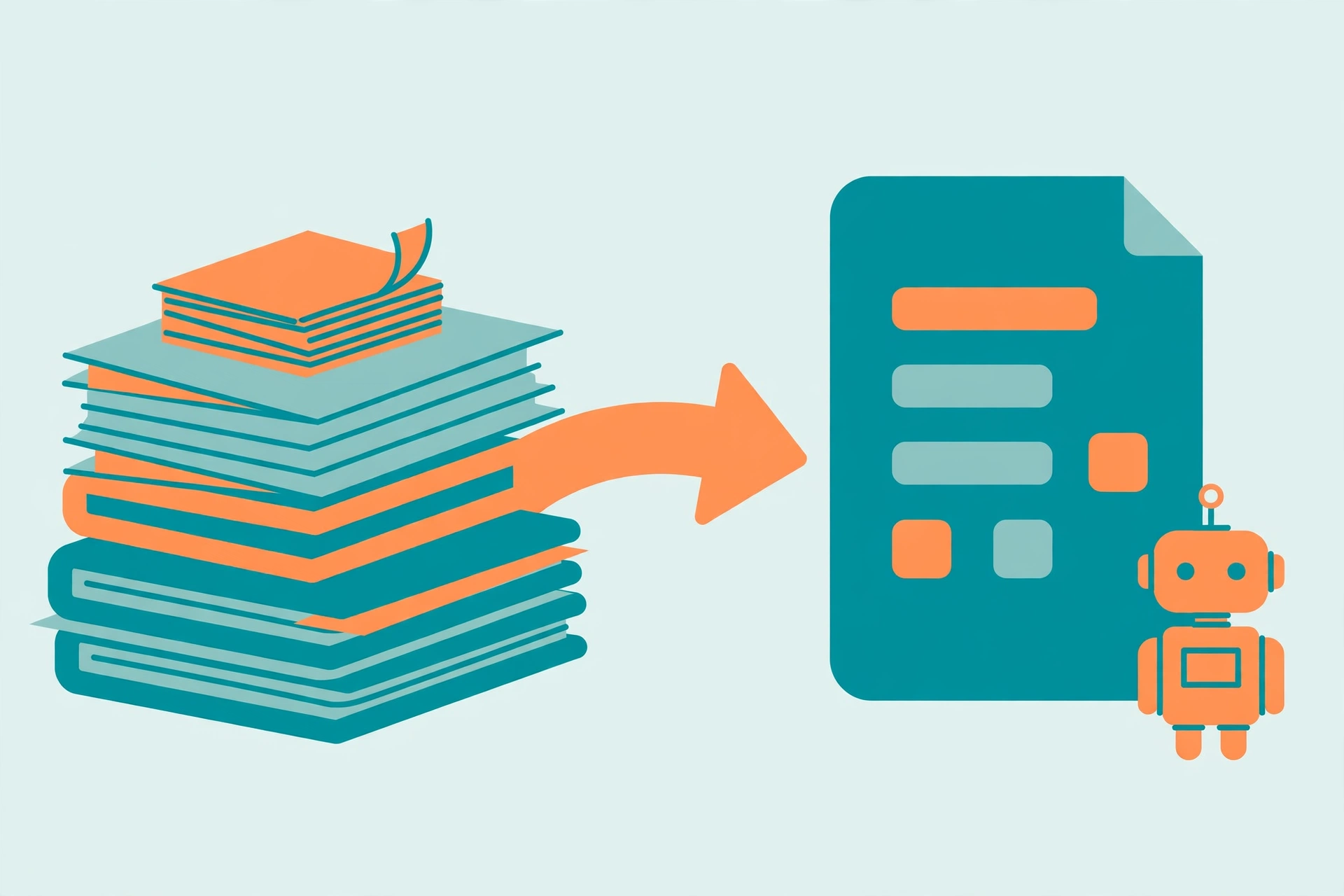
Your agent gives generic answers because it does not know how you do the job. The method lives in your docs, your SOPs, your old deliverables, and your checklists, but it is scattered, so the agent guesses. The fix is to turn that scattered method into a written skill the agent can follow, and to ground it in your own material so nothing is invented.
NotebookLM is the right tool for the first half because it only answers from the sources you upload. Ask it to write out the method and it works from your documents, not from general knowledge. That write-out becomes a SKILL.md file, and SKILL.md is just a markdown file an agent reads before it starts a job. Nothing to install, no new tool. A written procedure the agent follows.
Step 1: Gather the sources
Pick one job you repeat, and collect only the material that shows how it is actually done: the SOP, the template, two or three past deliverables you were happy with, and the checklist you run through. Leave out everything else. A notebook stuffed with unrelated docs gives you a method stuffed with unrelated steps.
Upload those files to a new NotebookLM notebook. Then paste this prompt exactly:
Write out the exact method for [the job] as a step-by-step procedure someone else could follow without asking questions. Only use the sources in this notebook. For each step, say what to do, what good looks like, and what to check before moving on. End with the common mistakes and how to avoid them.
Replace [the job] with the job in plain words, for example "qualifying an inbound lead" or "writing a weekly status update".
Step 2: Fix the write-out, then shape it into a skill
Read what NotebookLM gives back and correct anything wrong. You know the job; the model only knows your documents. A step that looks right but skips a check you always do is a step that will cost you later, so put the check back in.
Then paste the corrected method into this skeleton and save it as SKILL.md:
---
name: [job-name]
description: Use this skill when [the exact situation it covers].
---

# [Job name]

## When to use this
[One or two sentences: the situation this skill covers, and what it does not cover.]

## Procedure
1. [Step: what to do, what good looks like, what to check before moving on.]
2. [Next step.]
3. [Next step.]

## Rules
- [A rule the agent must not break.]
- [A rule about what to do when a step does not fit: say which step and why, instead of improvising.]

## Common mistakes
- [Mistake and how to avoid it.]
The description line matters more than it looks. That line is what the agent reads when it decides whether this skill applies, so write the situation in the words you would actually use to ask for the job.
Step 3: Give it to Claude and test it on a real task
Save the file at ~/.agents/skills/[job-name]/SKILL.md, then start a task with this prompt:
Use the [job-name] skill for this task and follow it exactly. If a step does not fit, say which step and why instead of improvising.
Run it on a real task, not a toy example. Watch where it drifts. Every drift points at a vague step, so tighten that step in the file and run it again. One test run and one fix pass will do more for the skill than an afternoon of polishing the wording.
What this does not do
A SKILL.md adds no tools and no connections. It only tells the agent how to work, so if the job needs a tool the agent does not have, the skill will not conjure it.
The grounding is only as good as the sources you upload. Thin sources give a thin method, and a method built on one example will miss the cases that example never covered. Add a second example before you trust it on anything important.
And do not upload secrets, passwords, or private client data as sources. The notebook is your material, but treat it like anything else you hand to a tool: only what the method needs.
What to do next
Pick the one job you repeat every week and already have documents for. Gather its sources, run the NotebookLM prompt, shape the answer into the skeleton above, and test it once. That single skill, written from your own material, will beat a shelf of generic prompts, because it knows how you do the job, not how the average person does.